
黑白迷宫
AI-generated films enter China’s mainstream awards through new AIGC unit_我的网站

A |
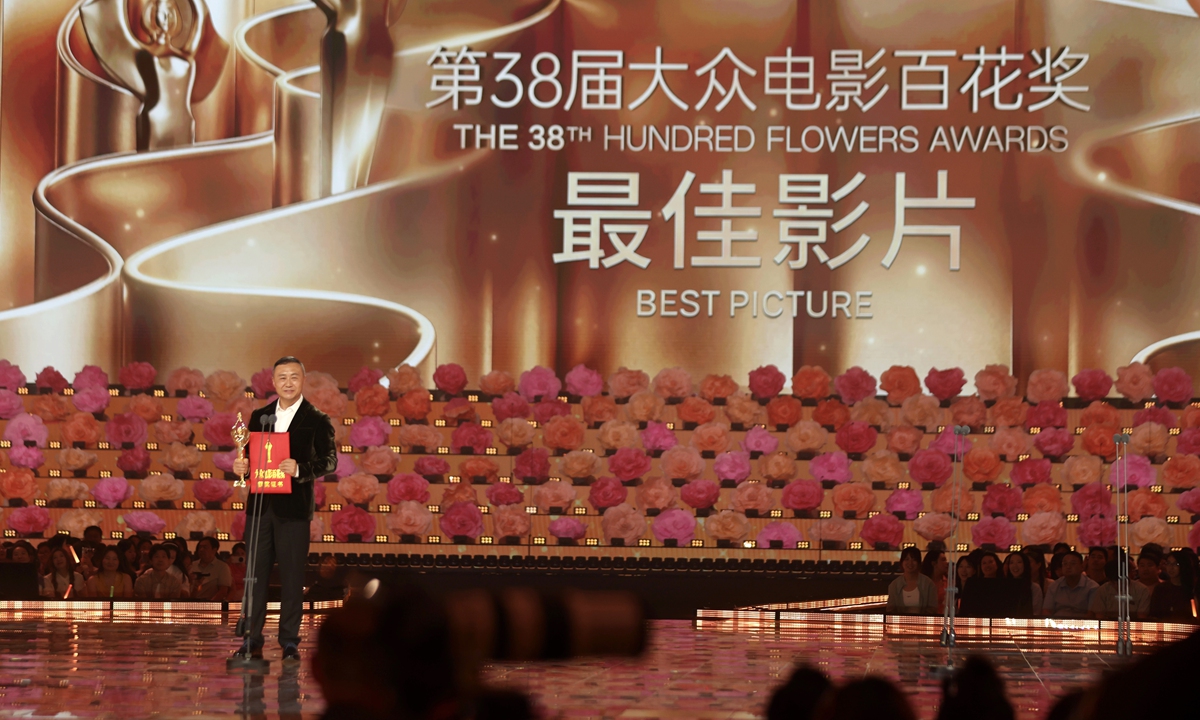
For the first time in the 64-year history of the awards, this year's edition introduced an AI-generated content (AIGC) recommendation unit, giving AI-generated films a new pathway into a major film award platform.
The move reflects a broader shift in the relationship between technology and cinema.
Rather than replacing filmmakers, AI is increasingly seen as a creative tool that lowers production barriers, expands visual possibilities and allows more people to turn ideas into films, Zhang Peng, an associate professor at Nanjing Normal University, told the Global Times.
The AIGC recommendation unit, launched on June 30, attracted 2,038 entries from around the world in just over a month. After evaluation, six productions received the "Hundred Flowers AIGC Recommendation Honor," covering categories including animation, visual effects, technology, creativity, directing and short films.
For many young filmmakers, AI has opened a new path into the industry. Multiple award-winning creators said at a seminar on the sidelines of the Hundred Flowers Awards that AI tools such as Jimeng and the Seedance model helped them with visual development, shot design, dubbing and maintaining emotional continuity.
Zhang Bohang, a representative of the team behind Yi Meng (A Dream), which won the award for Best Animated Work, said at the seminar that animation had long been a dream for the team, but high production costs had previously made it difficult to bring that dream to life. "The emergence of AI has given us a way to make our dreams come true," he said.
Lu Qiwei, a representative of the creative team behind Yecha Crossing the River, which won the Best Creative Work award, said at the seminar that Seedance allows creators to input characters, scenes, visual styles and directorial ideas, then select and organize the generated material themselves.
However, filmmakers at the event also emphasized that AI does not replace human creativity. Director Liu Shuheng, whose work Out of Control received recognition, said AI had lowered the threshold for creating visual images while raising the expectations for creators' decisions.
"AI makes it easier to create a picture, but it also makes people think more about why they choose to shoot it this way," Liu said at the seminar.
The shift is not limited to AI-powered filmmaking. The awards are also expanding recognition for emerging forms of storytelling.
The 38th Hundred Flowers Awards also introduced a new short-drama recognition section, marking the first time the awards had recognized short dramas. It marked the first time the awards had included short dramas in their recognition system, organizers said.
AI also featured prominently in the event's audience experience. Global Times reporters observed interactive installations that allowed audiences and celebrities to generate personalized digital keepsake photos, while AI was also used during the red-carpet livestream to provide real-time commentary, answer viewer questions and enhance visual backgrounds.
The Hundred Flowers Awards' embrace of AIGC comes as major Chinese film festivals increasingly explore AI's role in cinema.
Since its launch in 2024, the Beijing International Film Festival's AIGC Film Section has been the first dedicated section at a major film festival worldwide to focus on AI-powered image-making. Meanwhile, the Shanghai International Film Festival this year has launched a new "AI Studio" section, aiming to create the first experimental platform dedicated to exploring AI-assisted collaboration in film production.
From competition entries to audience experiences, these developments suggest that AI is no longer just a behind-the-scenes production tool, said Zhang.
"AI is gradually moving beyond being a filmmaking tool and becoming part of the broader film festival ecosystem," Zhang noted.
"From AI-generated films to short dramas, the move also shows how China's mainstream film platforms are embracing emerging formats and recognizing new forms of storytelling."
。

B | 经过近两个小时的激烈角逐,来自浙江宁波的王沐易在最后一条线路实现逆转,“绝杀”两位日本选手,成功获得U15女子组的冠军,也成为了亚青杯历史上第一位金牌获得者。王沐易获得U15攀石女子组决赛冠军在稍后结束的U15男子组比赛中,预赛排名第一的中国小将段云泷获得亚军,日本选手伊藤湊获得冠军。段云泷在比赛中也同样面对了两位日本选手的夹击。最终,他成功获得亚军。日本选手上田大志获得这个年龄组的第三名。段云泷获得U15攀石男子组决赛亚军14日晚上进行的U17比赛中,中国队再添一金。出生于2010年的穆泽润凭借着在最后一条线路的出色发挥,后来居上,拿到男子组的冠军。

C | 另一位中国选手王天宇获得第三名。获得亚军的则是日本运动员长尾一树。穆泽润获得U17攀石男子组决赛冠军在U17女子组的比赛中,韩国选手尹春一路领先,成功夺冠。预赛排名第一的中国小姑娘蒋晨曦顽强追赶,最后时刻逼近对手,荻得亚军。

D | 日本选手高桥葉获得第三名。参加U15年龄组比赛的王沐易2013年出生于浙江宁波,实际年龄只有13岁,全南也是她首次参加青年组的比赛。在一天前进行的预赛中,王沐易排在第三位。来到决赛,小姑娘表现出了更好的竞技状态,第一条路便成功登顶。但两位晋级决赛的日本选手高久春树及广濑堇也同样表现出色,并且两人在率先完成4条线路的攀爬后得分位列第一、第二,将压力给到了还剩下最后一条线路的王沐易身上。

E | 值得肯定的是,压力面前,王沐易没有动摇,而是经过几次尝试之后,顺利完成最后一条线路的攀爬,成为当天所有参赛选手中唯一一位完成全部4条线路的选手,理所当然地站到了最高领奖台。首次参加青年级别的比赛便夺得亚青杯历史上的第一枚金牌,王沐易在感到高兴的同时,还是很谦虚地只给自己的表现打了8分。在她看来,自己能够夺冠一方面是自己清晰分析线路并顺利攀爬的结果,一方面也与现场凉爽的天气适合运动员的发挥有着一定的关系。不过,依然还是在妈妈的陪伴下参加比赛的王沐易很快便“很成熟”地表示:自己将很快忘记攀石的比赛,将精力集中到接下来的难度比赛。其所属的宁波ROCKPLUS 俱乐部则表示未来将为其创造更好的训练条件,以帮助她获得更大的进步,取得更好的成绩。

F |
Current article:http://yp011w7.zhuaicaisaanzhenshunnaiwei.bond/lhvkroz/20260826/331096.html
Published on:15:26:51
相关新闻
最后更新
- 终极对决!西班牙VS阿根廷,谁能夺冠?
- 布伦特原油期货跌幅扩大至1%
- 奥克兰北岸绑架案:危险男子仍在社区流窜,公众请警惕!
- 卡塔尔世界杯倒计时100天,足坛冬季盛宴更近了
- 被中国移动恶意扣费客服推卸责任
- 钱江生化:上半年归母净利润7776.48万元,同比下降27.4%
- Centre launches National Curriculum Framework for foundation stage in education
- Adobe Flash Player推送Windows 10更新:未修复安全漏洞
- China to post lowest GDP growth in four decades this year: IMF
- 化工板块猛攻,锂电、钾肥龙头齐涨!海外储能订单爆发,下半年量价修复空间打开?
热门新闻
- 传统商圈踏出新消费之路
- China’s auto exports top 1 million for second straight month in July, NEV shipments surge 145.5% amid strong global demand
- 秦皇岛经开区发展能级持续跃升
- 2026杭州股票开户本地办理指南:时效规则与成本优化技巧
- 三星Note 8 Android Pie Beta更新支持夜间模式
- 多人合伙榨果汁!中世纪模拟经营《一起来榨大果汁》
- 中国印尼全面战略对话机制首次会议在雅加达举行
- 站稳人民立场 答好“初心之问”
- 雷军:小米YU7标准版不会比SU7标准版贵2-3万 大家会觉得价格合理
- Biden Urges Combating Human Smuggling After Dozens of Migrants Found Dead in Texas